
Palermo is an energetic and stratified city. Its history is enriched by several civilizations, and nowhere is their collision more alive than in the city’s historic markets.
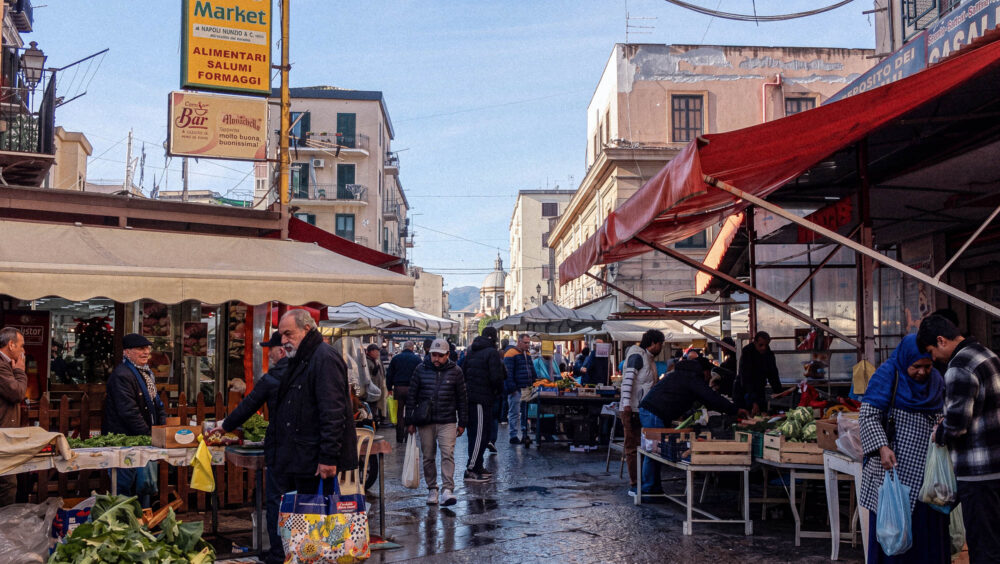
A GUIDE THROUGH PALERMO HISTORIC MARKETS
read more...
In addition to Sicily's famous destinations, there is the Belìce Valley, a land of olive groves, vineyards, historic cities, and a food and wine culture deeply rooted in the unique territory. It is one of the most rewarding, and still little-known, regions of western Sicily for travelers seeking authentic experiences.
READING TIME:8 minutes
There’s a valley in western Sicily that most visitors drive past without ever realizing it exists. Hidden between the provinces of Trapani and Agrigento, the Belìce Valley stretches inland from the coast near Selinunte through rolling hills, centuries-old olive groves, vineyards, and small agricultural towns that have worked this land for generations. This is a part of Sicily defined by slow rhythms, harvest seasons, and traditions that remain deeply rooted in everyday life. For travelers willing to venture beyond the island’s most famous destinations, the Belìce Valley offers something increasingly rare: an authentic glimpse of Sicily largely untouched by mass tourism.
The Belìce Valley lies in western Sicily, between Palermo, Trapani, and Agrigento. Named after the Belìce River, one of the island’s longest waterways, the region extends from the Mediterranean coast near Selinunte into a landscape of gentle hills and fertile farmland.
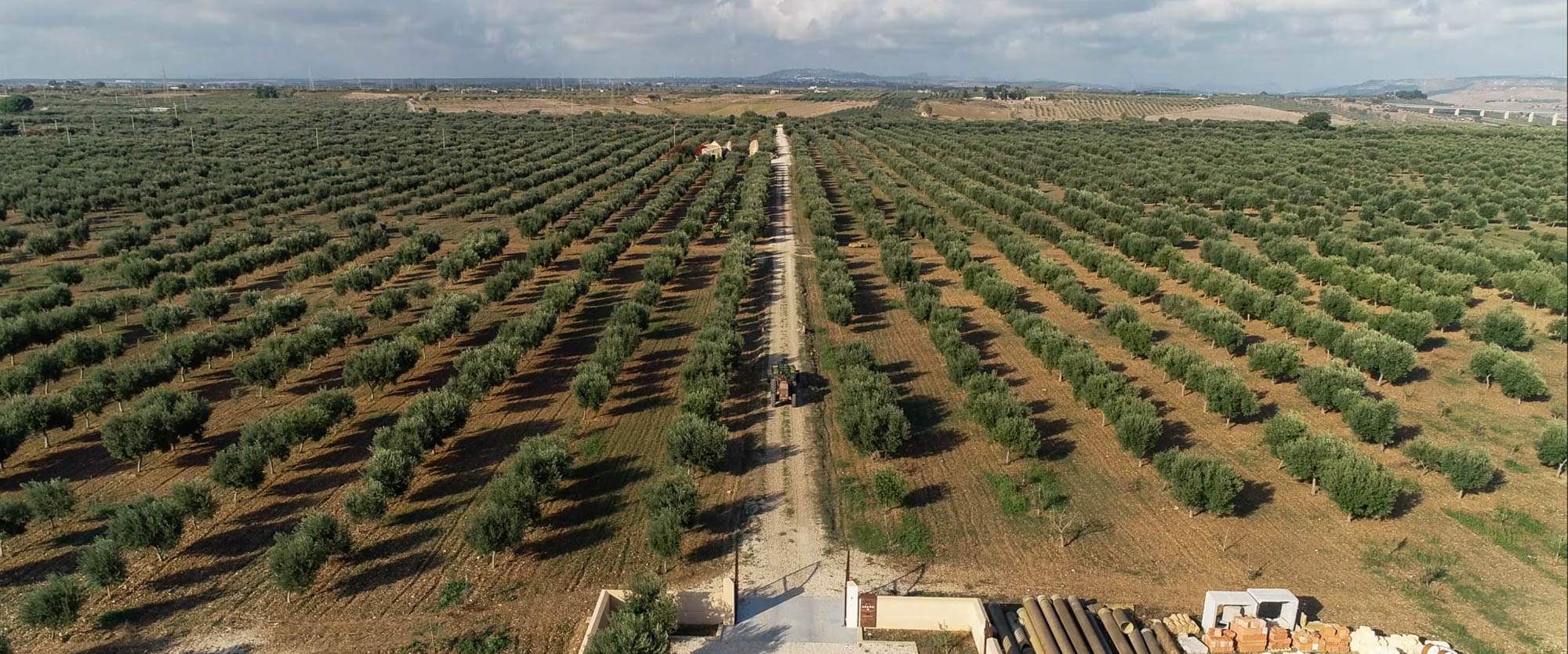
The valley combines natural beauty, exceptional food, wine, and ancient history. Near the coast, the Belìce River Nature Reserve protects one of Sicily’s best-preserved stretches of shoreline. Sand dunes, wetlands, and native vegetation provide habitat for migratory birds and other wildlife, including the endangered loggerhead sea turtle, which nests on these beaches during the summer months. Further inland, olive trees dominate the landscape. This is the homeland of the famous Nocellara del Belìce olive, widely considered one of Italy’s finest varieties for both table olives and extra-virgin olive oil.
The story of the Nocellara olive goes back more than 2,700 years, to the time when Greek settlers founded nearby Selinunte. Archaeological discoveries in Selinunte show that olive oil production was already flourishing here by the 5th century BC. The cultivar has survived and thrived for millennia thanks to the Belìce Valley’s particularly favorable climate, shaped by fertile soils and the moderating influence of the nearby Mediterranean Sea. Today, Nocellara del Belìce remains one of Sicily’s most celebrated agricultural products. The olives are large, bright green, buttery, and remarkably crisp at the same time. The extra-virgin olive oil is equally distinctive, with aromas of freshly cut grass, almond, and tomato leaf, balanced by gentle bitterness and peppery notes. For many visitors, tasting the local olive oil is one of the most memorable culinary experiences in western Sicily.
Sheep farming has long been part of the valley’s identity, giving rise to some of Sicily’s most distinctive cheeses. As you travel through the Belìce Valley, it’s not uncommon to encounter flocks of sheep crossing country roads or hear the sound of their bells drifting across the hillsides—small reminders that traditional pastoral life is still very much alive here. The valley’s mild climate and abundant pastures contribute to the exceptional quality of its sheep’s milk, which forms the foundation of many local specialties.
Vastedda della Valle del Belìce (PDO) is one of the few stretched-curd cheeses in the world made from sheep’s milk. Its round shape and fresh, slightly tangy flavor make it unlike any other Italian cheese.
Pecorino Siciliano (PDO) is a traditional hard sheep’s milk cheese with a bold, savory flavor that becomes richer and more intense as it ages.
The quality of the milk is perhaps most evident in the valley’s fresh ricotta. Whether enjoyed by the spoonful straight from the dairy or sweetened inside a freshly made cannolo, its delicate flavor and creamy texture perfectly capture the authenticity of the region. The local cuisine revolves around olive oil and seasonal produce. Regional specialties include the spiny artichokes of Menfi, Castelvetrano’s famous dark bread made with ancient Sicilian grains, prickly pears from Santa Margherita di Belìce, and traditional snail dishes found around Sambuca di Sicilia. For dessert, try minni di virgini (“virgin’s breasts”), delicate pastries filled with milk cream, chocolate, and cinnamon. They became famous through The Leopard, Sicily’s most celebrated novel.
Wine lovers will find plenty to explore along the Terre Sicane Wine Route, which connects wineries and wine towns including Menfi, Sambuca di Sicilia, Santa Margherita di Belìce, Montevago, Sciacca, and Contessa Entellina. Many wineries have been family-owned for generations and produce wines from native Sicilian grapes such as Nero d’Avola, Grillo, Catarratto, and Perricone. Together, these varieties express the character of western Sicily’s unique terroir and have helped establish Sicily as one of Italy’s most exciting wine regions.
The largest town in the valley and the most practical base for exploring the region. It is associated with the Castelvetrano (Nocellara) olive, and the surrounding countryside is among Sicily’s most productive olive-growing areas.
Home to the well-preserved Grifeo Castle and the Belìce Prehistory Museum, which offers insight into the region’s earliest inhabitants and archaeological heritage.
Literary travelers will recognize this town from The Leopard by Giuseppe Tomasi di Lampedusa. The author’s family palace inspired parts of the fictional town of Donnafugata, and traces of Sicily’s aristocratic past can still be felt throughout the town.
Perched above Lake Arancio, Sambuca is one of the valley’s most beautiful towns. Its Arab-Norman historic center, thriving wine scene, and famous one-euro house program have brought international attention in recent years.
A fascinating historic town with Arab-influenced streets, a Norman castle, and a long ceramics tradition. In 1860, it briefly served as the first capital of unified Italy during Garibaldi’s campaign.
The devastating earthquake of 1968 destroyed much of the Belìce Valley, including Gibellina. The ruins of the old town were later transformed into the Grande Cretto, a monumental land-art installation by Alberto Burri and one of the largest works of contemporary art in the world. Nearby, the rebuilt town became an open-air museum of modern architecture and sculpture.
The valley meets the sea at Selinunte, home to one of the largest archaeological parks in the Mediterranean. Founded by Greek settlers in the 7th century BC, the ancient city once rivaled the great centers of Magna Graecia. Today, its temple ruins stand dramatically above the Mediterranean, creating one of Sicily’s most unforgettable landscapes.
The best way to explore the Belìce Valley is by car. Distances are manageable, but public transportation is limited. A rewarding route begins in Selinunte on the coast, continues through Castelvetrano, and then heads inland toward Santa Margherita di Belìce and Sambuca before connecting to either Trapani or Agrigento. A full day allows you to see the highlights, but two days gives you time to slow down, enjoy winery visits, and experience the region’s food culture at a more relaxed pace. The ideal seasons are spring (April through June), when the countryside is green and wildflowers are in bloom, and early fall (late September through October), when the olive harvest transforms the landscape and fills the air with the scent of freshly pressed oil.
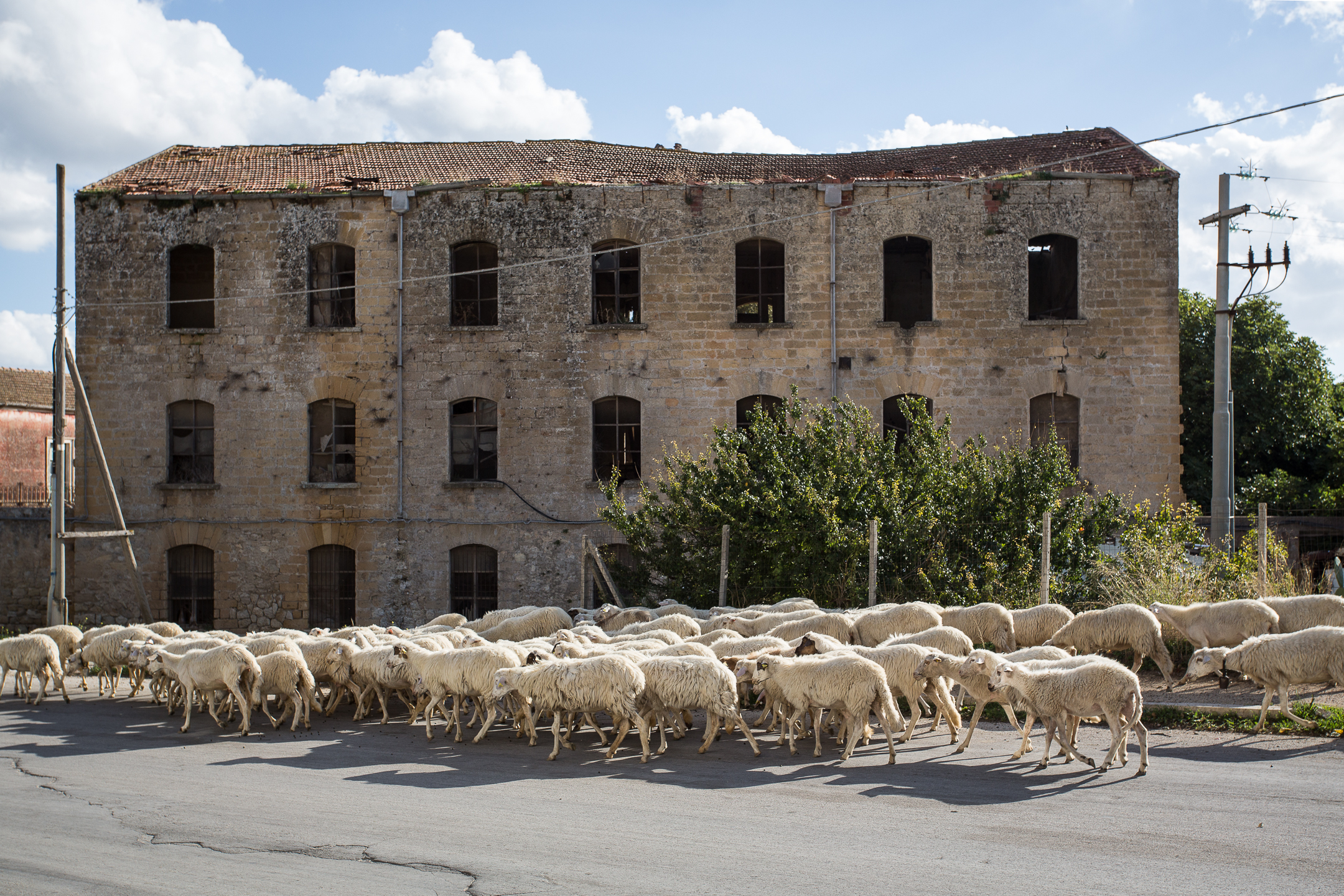
Flocks of sheep crossing country roads
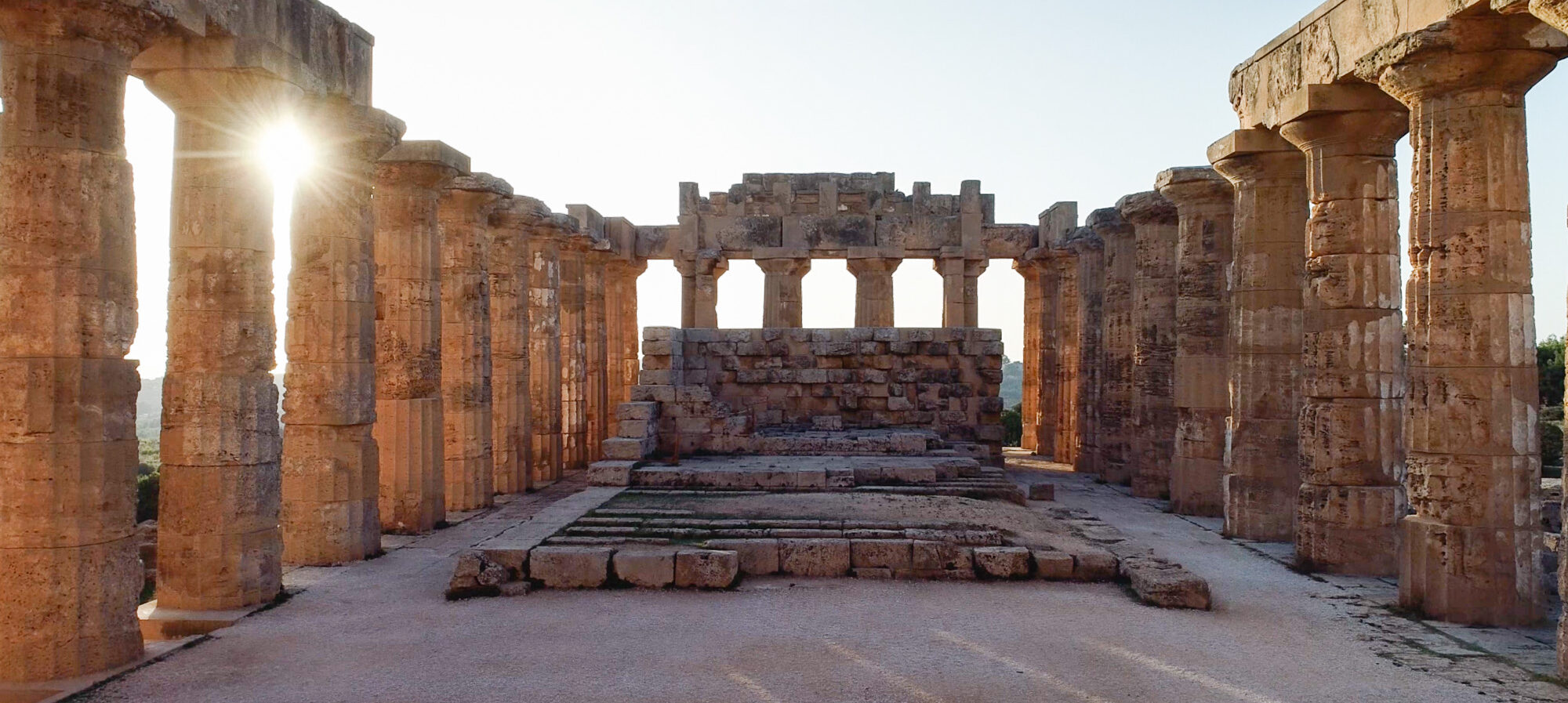
Selinunte Archeological Park Temple
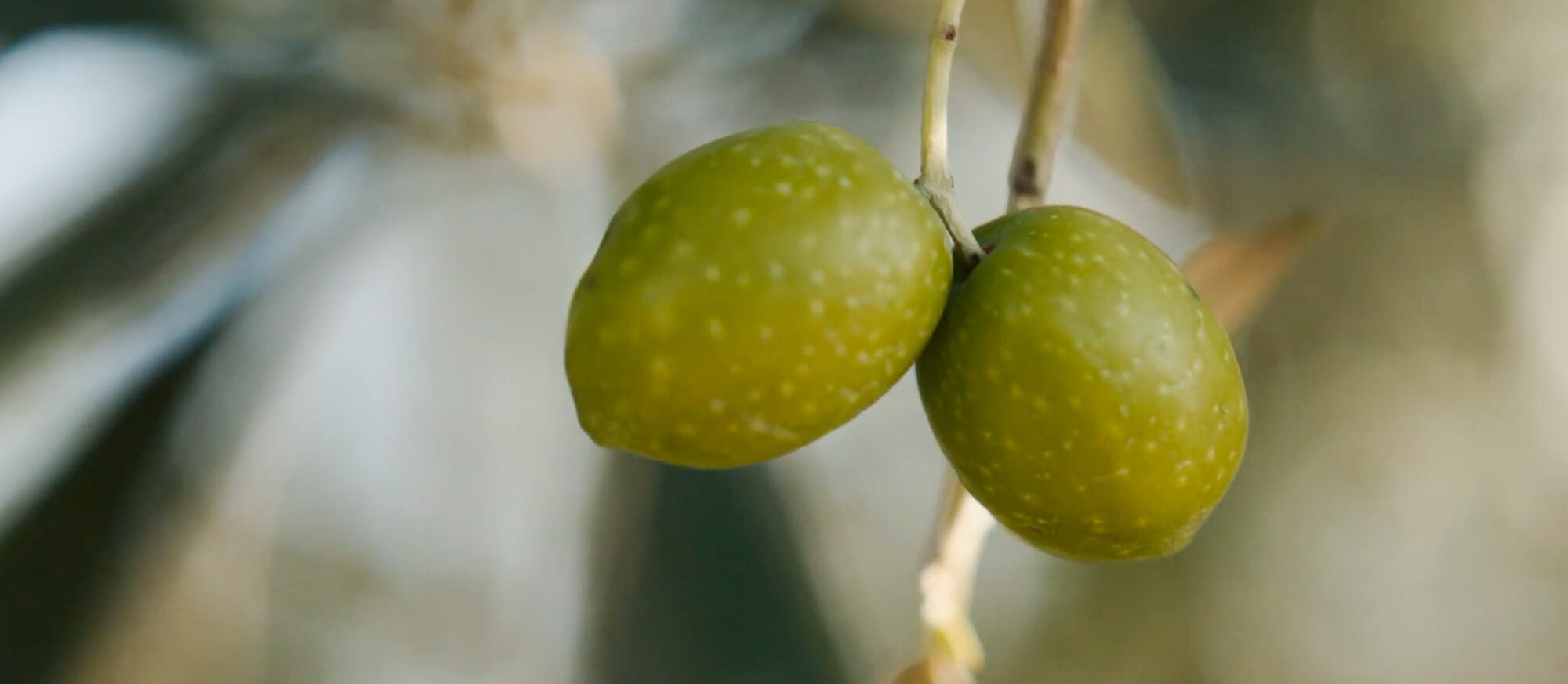
Nocellara (Castelvetrano) olive
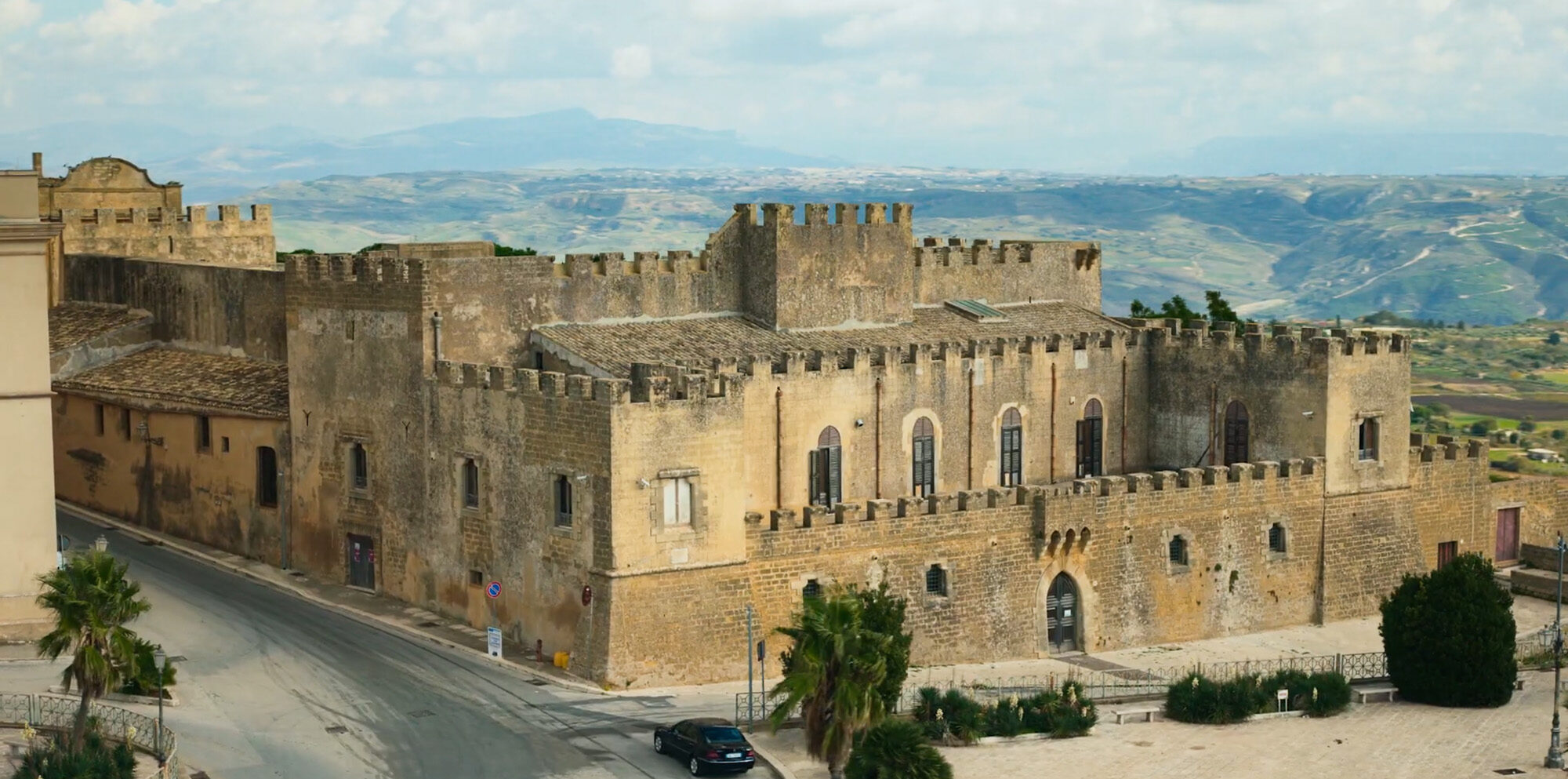
Grifeo Castle in Partanna
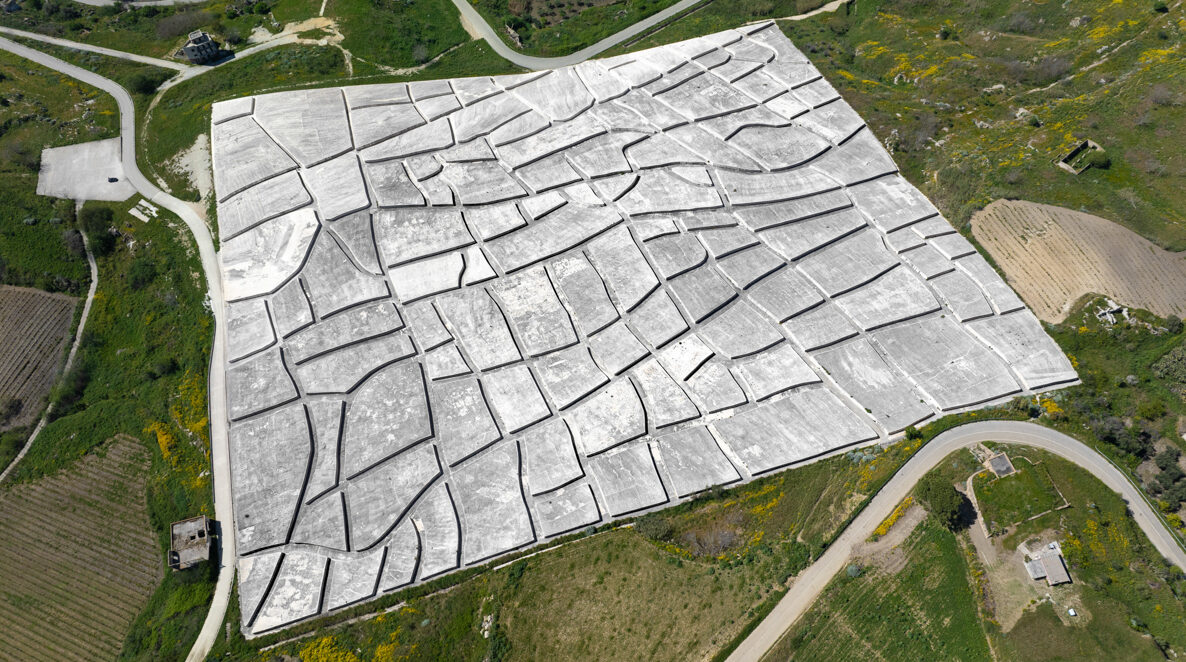
Cretto di Burri in Gibellina
FINAL THOUGHT
The Belìce Valley may not appear on every Sicily itinerary, but that’s exactly what makes it special. Here, you’ll find landscapes shaped by olive groves and vineyards, small towns where traditions are still part of everyday life, and a slower pace that invites you to experience Sicily beyond its most famous landmarks. If you’re looking for authentic food, rich history, and places that still feel genuinely undiscovered, the Belìce Valley is one of western Sicily’s most rewarding destinations.
STAY IN THE VALLEY
Best Sicily was founded in the Belice Valley, and today it aims to show Sicily lovers a side of the island that is sometimes forgotten or overlooked. Thanks to accommodations and tours carefully curated by Best Sicily staff, you can discover a hidden side of this wonderful land!
A LOT TO LEARN
Sicily is more than an island, it’s a world of its own. From ancient ruins and vibrant cities to remote villages and unique culinary traditions, every area tells a different story. Browse our articles and start uncovering the many faces of Sicily before your journey even begins.
COOK LIKE A REAL SICILIAN
When you visit Sicily, you bring back the flavors, aromas, and traditions of one of Italy’s richest culinary cultures. Explore our recipes and learn how to prepare the dishes that made you fall in love with the island, so you can keep a taste of Sicily alive long after your journey ends.
Did you like this content? Share it with whoever you want.
Stay up to date on new recipes, articles, discounts, new product
releases, and much more.
Palermo is an energetic and stratified city. Its history is enriched by several civilizations, and nowhere is their collision more alive than in the city’s historic markets.
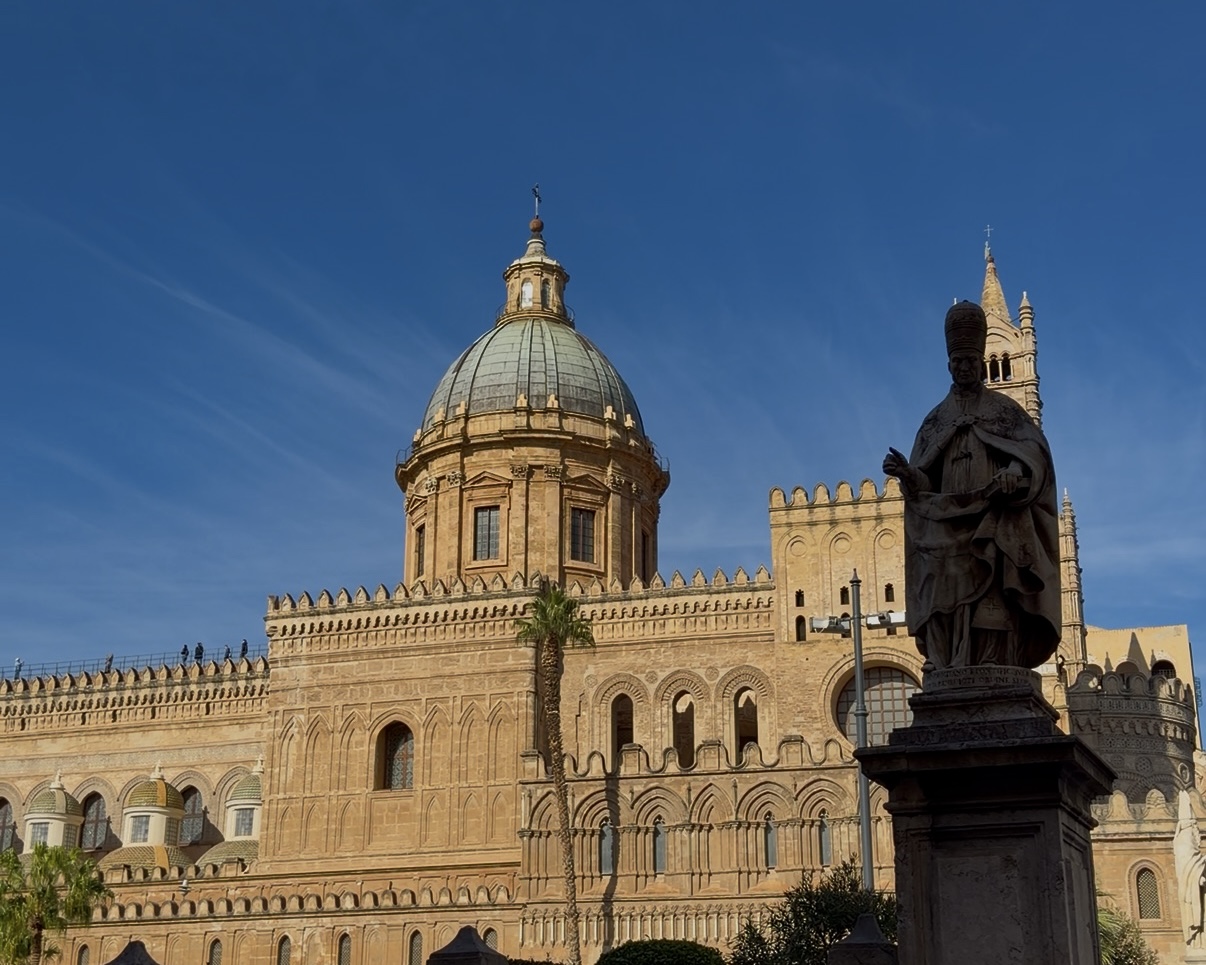
Discover the best of Western Sicily with our local guide to the island’s most authentic experiences, flavors, and hidden gems.